
In 2026, the efficiency of a solar inverter becomes more than just a technical detail. It shapes how much usable power a business obtains from its solar setup. A very efficient solar inverter cuts down on DC-to-AC energy loss. More electricity then becomes available for daily operations. In large B2B projects such as manufacturing plants or logistics centers, this brings clear savings on utility bills and faster payback times.
When conversion losses drop by just 2 to 3 percent, the gain over ten years can add up to thousands of kilowatt-hours. EPC contractors and project developers now view solar inverter efficiency as a direct factor in overall profit. Lower heat output also supports longer equipment life. This cuts maintenance needs and reduces downtime that might otherwise interrupt production.
Peak conversion efficiency remains an important figure. Yet B2B buyers in 2026 examine other real-world aspects too. They check load stability, fit with different battery types, thermal control, MPPT tracking accuracy, and overall system protection. Hybrid solar inverters like ZLPOWER’s PVG and PVM series include several built-in safeguards. These cover overload, short circuit, and over-temperature protection. The inverters keep running smoothly even when grid conditions shift.
Buyers also weigh service costs and repair ease. A solar inverter with modular parts and smart monitoring shortens service visits. It allows quicker fixes. This matters for telecom stations or industrial parks where uptime directly affects income.
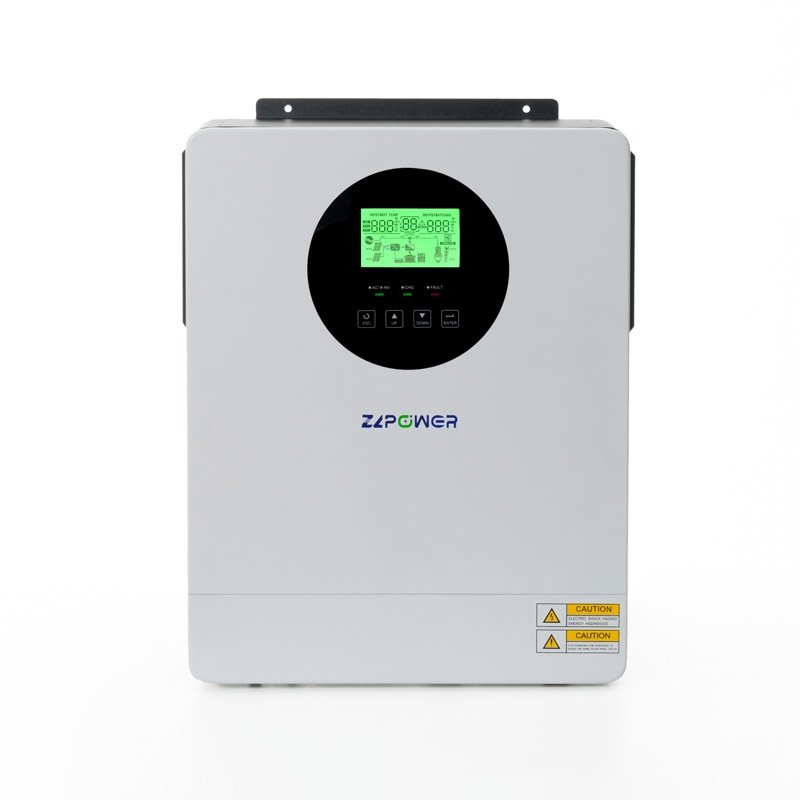
Steady DC-to-AC conversion matters for factories, warehouses, telecom towers, farms, and remote sites that need constant power. A small drop in efficiency can lead to voltage swings that affect sensitive tools or automated lines. The solar inverter uses reliable intelligent design to hold steady output across different load levels. In demanding uses like cold storage or irrigation pumps, high conversion efficiency keeps operations smooth without extra strain on the electrical system.
MPPT technology makes a real difference when sunlight levels change during the day or when partial shading appears. PVG comes with an MPPT solar charge controller. It works to draw the most DC power from the solar array and regulate it for battery charging. Strong MPPT algorithms keep adjusting input values. They pull the highest possible energy from panels even as temperature or light changes. This proves useful on rooftops with varying shade or farm sites with moving shadows.
Industrial systems need pure sine wave output. It protects motors, compressors, pumps, and digital devices from waveform issues. Pure sine wave output supplies clean power that matches utility electricity. This stability stops overheating in induction motors and prevents faults in control panels or precision electronics.
Hybrid solar inverters handle multiple power sources. They combine photovoltaic input with battery storage and grid supply. They switch between sources based on availability or electricity rates. The setup works well for commercial buildings that want both grid savings and backup power.
Off-grid systems still serve areas with weak or no grid access, such as rural farms or isolated monitoring points. PVM PLUS is a third-generation off-grid inverter. It includes useful upgrades for setups that run fully on their own.
ZLPOWER provides several product lines for varied B2B needs. The PVM Series covers compact off-grid models for smaller commercial sites. The PVG Series offers hybrid units with built-in MPPT controllers. The PVX Series gives dual-output off-grid options that separate critical loads. The GSII Series supplies high-capacity split-phase hybrid models up to 12 kW for factories or large villas that need broad energy coordination.
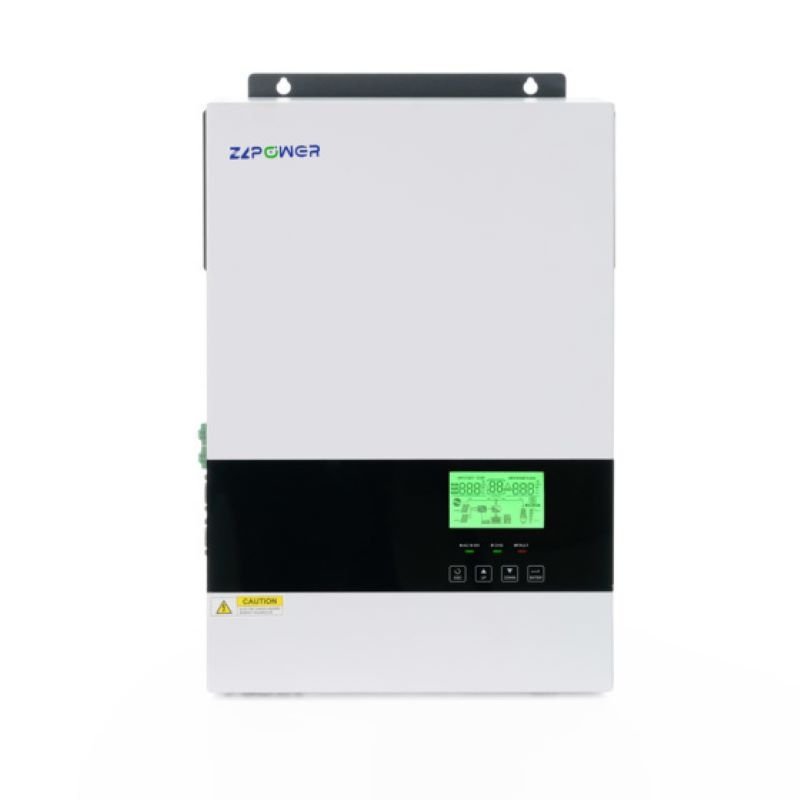
Each major ZLPOWER model includes advanced MPPT control hardware. It improves charging even when sunlight stays inconsistent. PVG uses an MPPT solar charge controller to pull and regulate DC power from the solar array for battery charging. The feature raises energy yield and helps batteries last longer by avoiding charge swings.
Battery flexibility now counts as a key plus in current projects where various battery types appear together. Battery independency design lets the solar inverter run without a battery attached. ZLPOWER models also work with lithium-ion, AGM, GEL, and deep-cycle batteries. This helps EPC contractors adjust quickly when clients change storage choices during a project.
In critical settings like hospitals or telecom hubs, separating essential loads from non-essential ones avoids full shutdowns during limited supply periods. The dual output function lets users divide important and less important loads for better control of electrical equipment.
A wide PV input range simplifies system design. It supports longer string setups without complex rewiring. Output power factor 1.0 adds stronger load handling for industrial machinery.
Hybrid setups lower reliance on grid power while supplying backup during outages. Businesses can run high-load tasks during peak sunlight hours to reduce demand charges.
Stable voltage control stays vital where communication uptime affects service quality. ZLPOWER’s protection features guard against surges or overheating in outdoor enclosures.
Irrigation systems or cold-chain warehouses far from city grids benefit from efficient off-grid performance. Pumps, lighting, refrigeration units, and sensors all receive steady pure sine wave power.
Engineers should first map total connected loads, including inductive motors. They need to confirm surge needs against continuous ratings. Slight oversizing leaves room for later growth without swapping main parts.
Different batteries call for specific charge settings. Lithium batteries prefer exact voltage control. AGM types need occasional equalization. Deep-cycle units gain from adjustable current levels. ZLPOWER units support these options through configurable interfaces.
Shenzhen ZLPOWER Electronics Co., Ltd. is a national high-tech enterprise. It focuses on research, development, production, and sales of UPS power supply, Power Inverter, and solar inverter. The company started in 2007. It holds ISO9001 and ISO14001 certifications. Products reach buyers in Europe, North America, Africa, and the Middle East. This shows consistent manufacturing quality and trust among global distributors.
In B2B solar projects from 2026 onward, solar inverter efficiency shapes both system output and day-to-day reliability across commercial fields. Examples range from telecom infrastructure to farm automation. ZLPOWER combines MPPT control with pure sine wave stability, flexible battery options, dual-output safety features, and scalable hybrid or off-grid choices such as the PVM Plus or GSII series.
For distributors, EPC contractors, and project buyers seeking reliable solar inverter solutions, ZLPOWER offers practical product options for scalable energy systems. Contact ZLPOWER to discuss project requirements and select the right inverter configuration.
Conversion efficiency and MPPT control accuracy together decide how much usable AC power reaches equipment. They also help maintain steady load operation when conditions change.
It tracks the best voltage and current points so panels produce the highest energy possible even with shade or temperature shifts. Every hybrid solar inverter now includes this feature.
It depends on the project goals. Hybrid models suit sites with partial grid access. Off-grid types fit isolated areas that need full independence.
The PVM and PVG series work well for mid-range needs. PVX fits dual-load setups. GSII handles higher capacities up to 12 kW.
They should focus on efficiency data, MPPT control quality, battery fit, safety features, and after-sales support rather than price alone. This mix determines long-term project results.
 ChatNow
 Vania
Vania